The Universal Notion
A Notion template shop I built myself, offering templates for organizing everyday life, plus custom builds tailored to each person.
- Role
- Owner and designer
- Timeline
- July 2025 – present
- Website
- theuniversalnotion.com
See the shop for yourself.
Visit theuniversalnotion.com (opens in a new tab)01 Goal
Most Notion templates I found were too complicated: dozens of pages, some useful and some not. Templates from different places never matched each other’s aesthetic, and none of them were tailored to the person using them. I wanted to build the opposite: intuitive templates that share one cohesive look, for students and anyone who wants an aesthetic Notion without the hassle. Along the way, I also wanted to learn e-commerce, build a brand from scratch, and earn income.
02 What I made
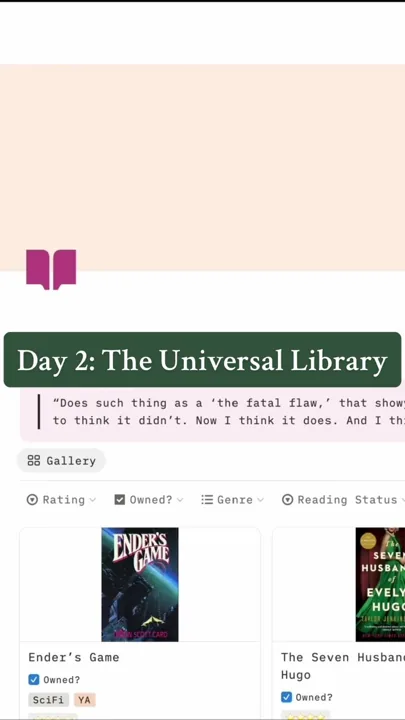
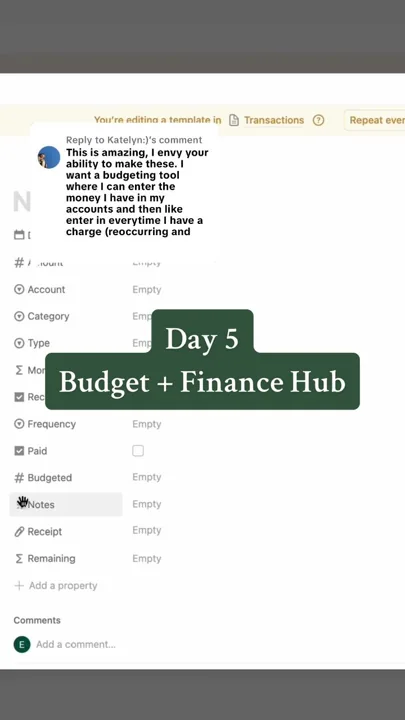
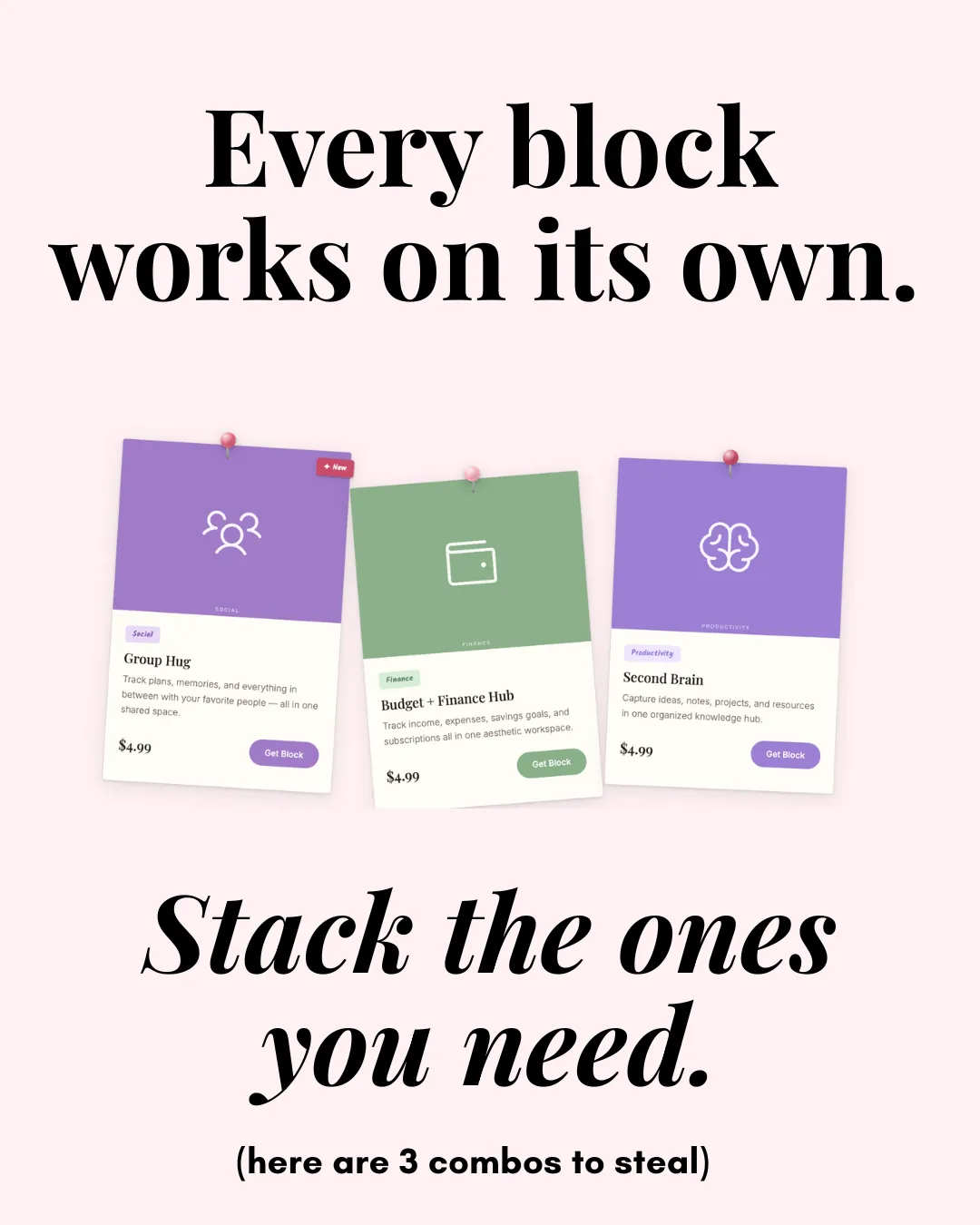
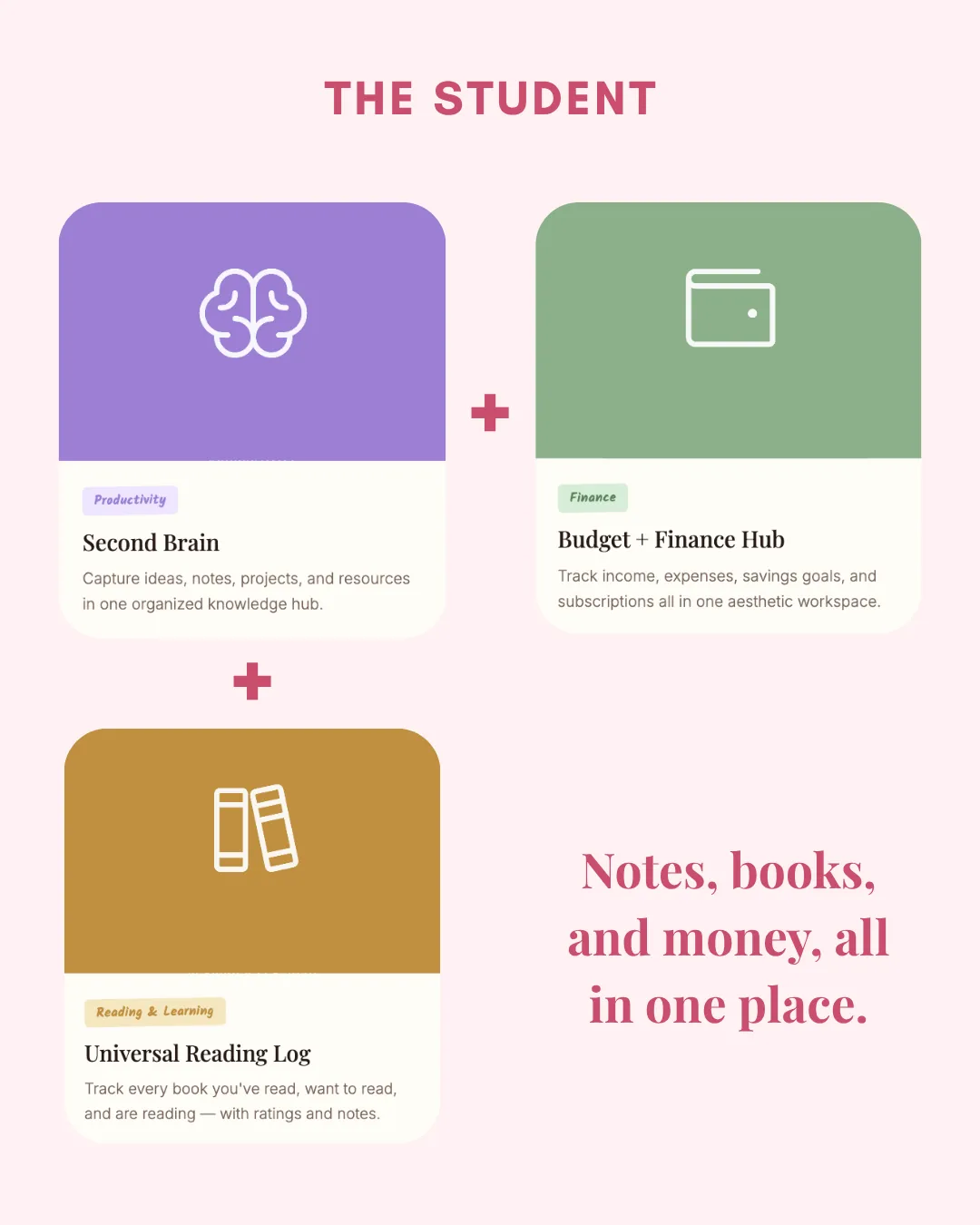
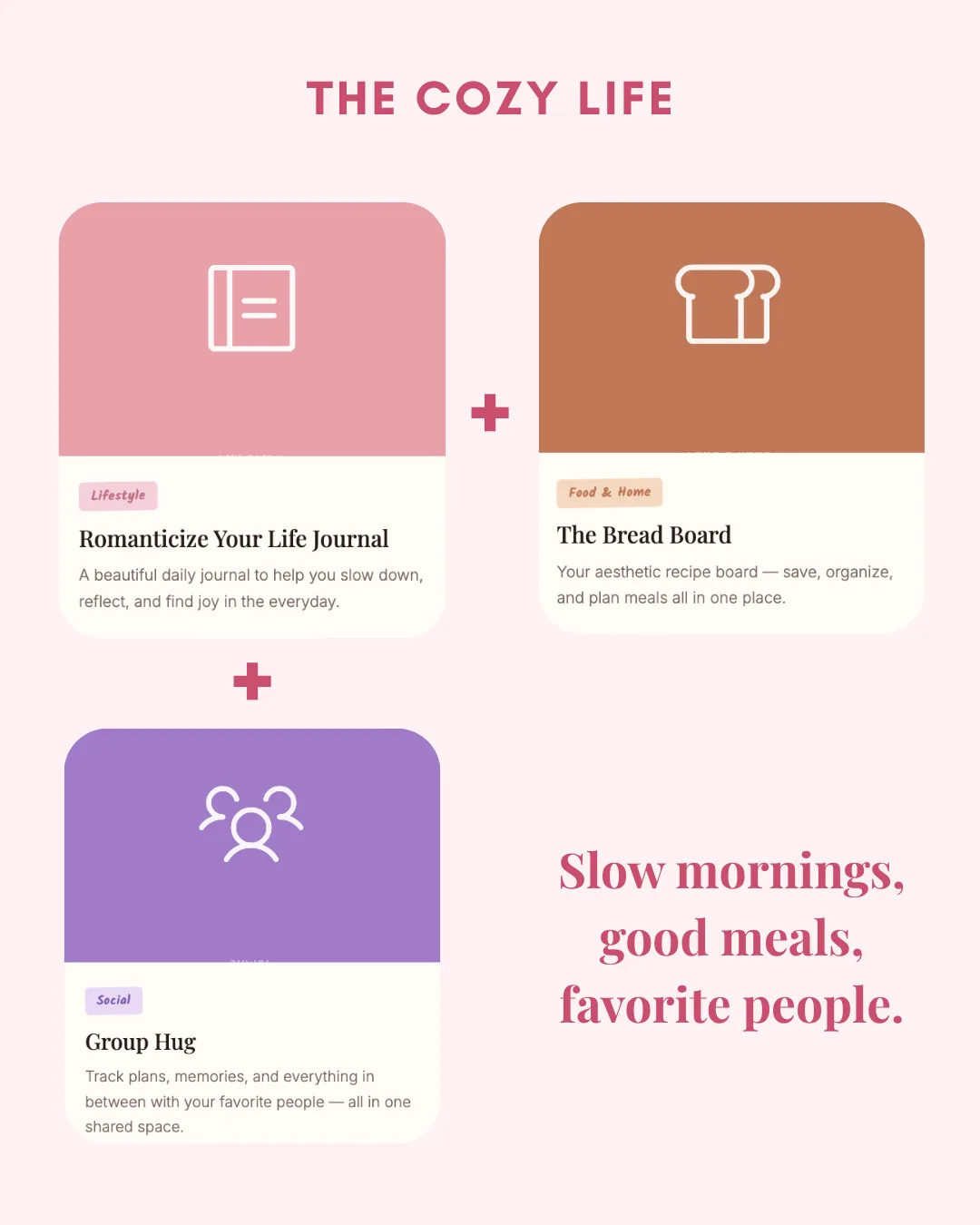
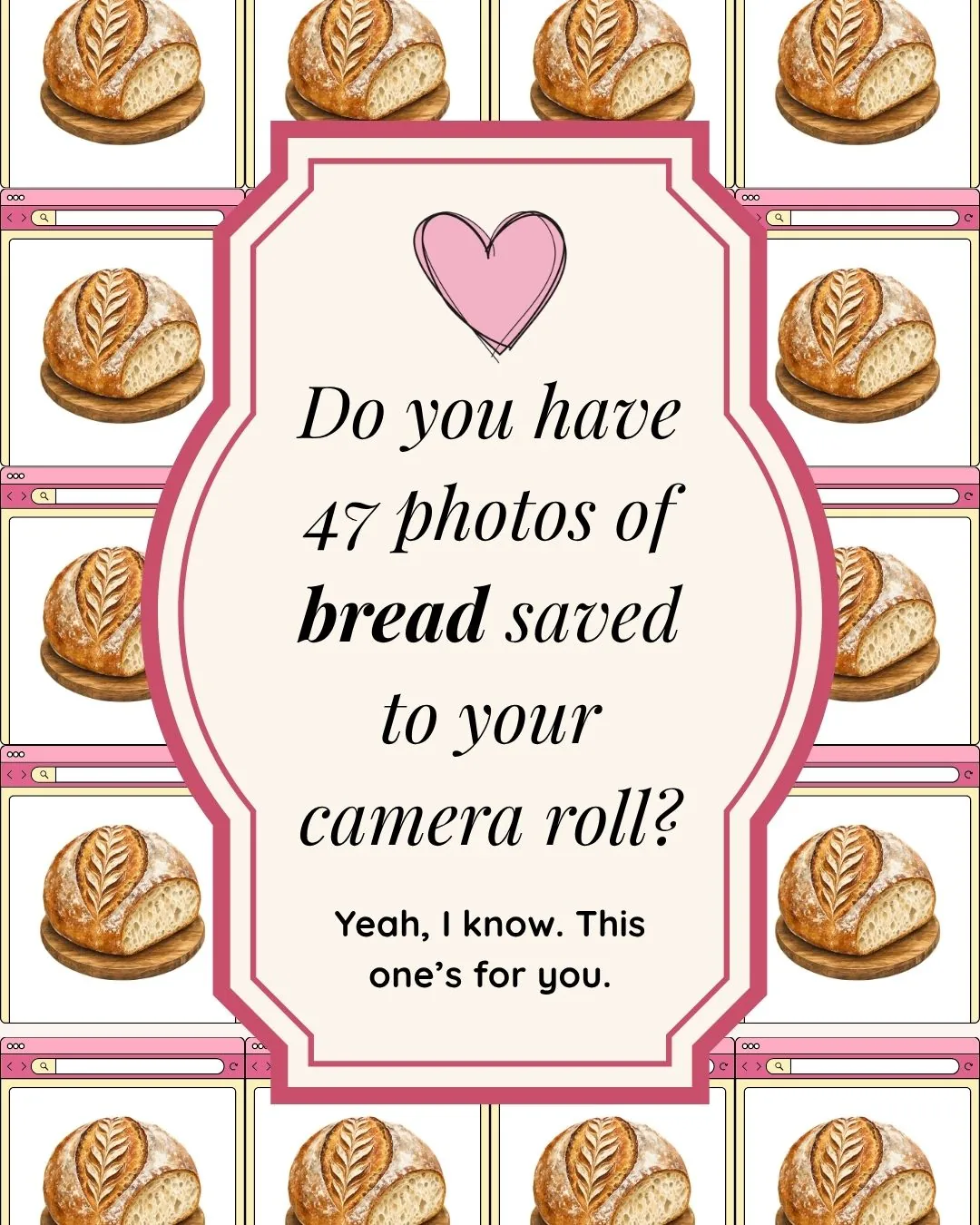
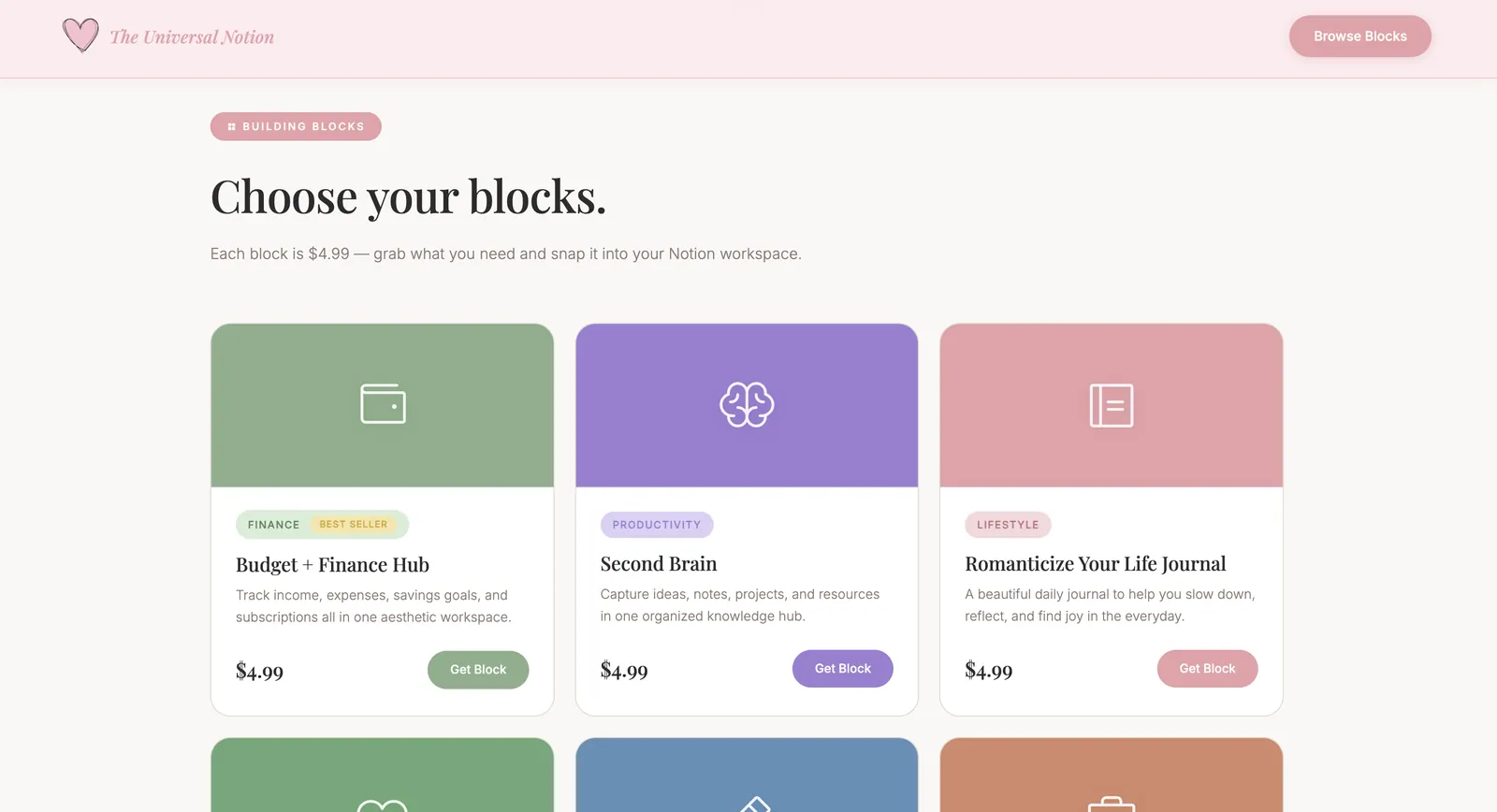
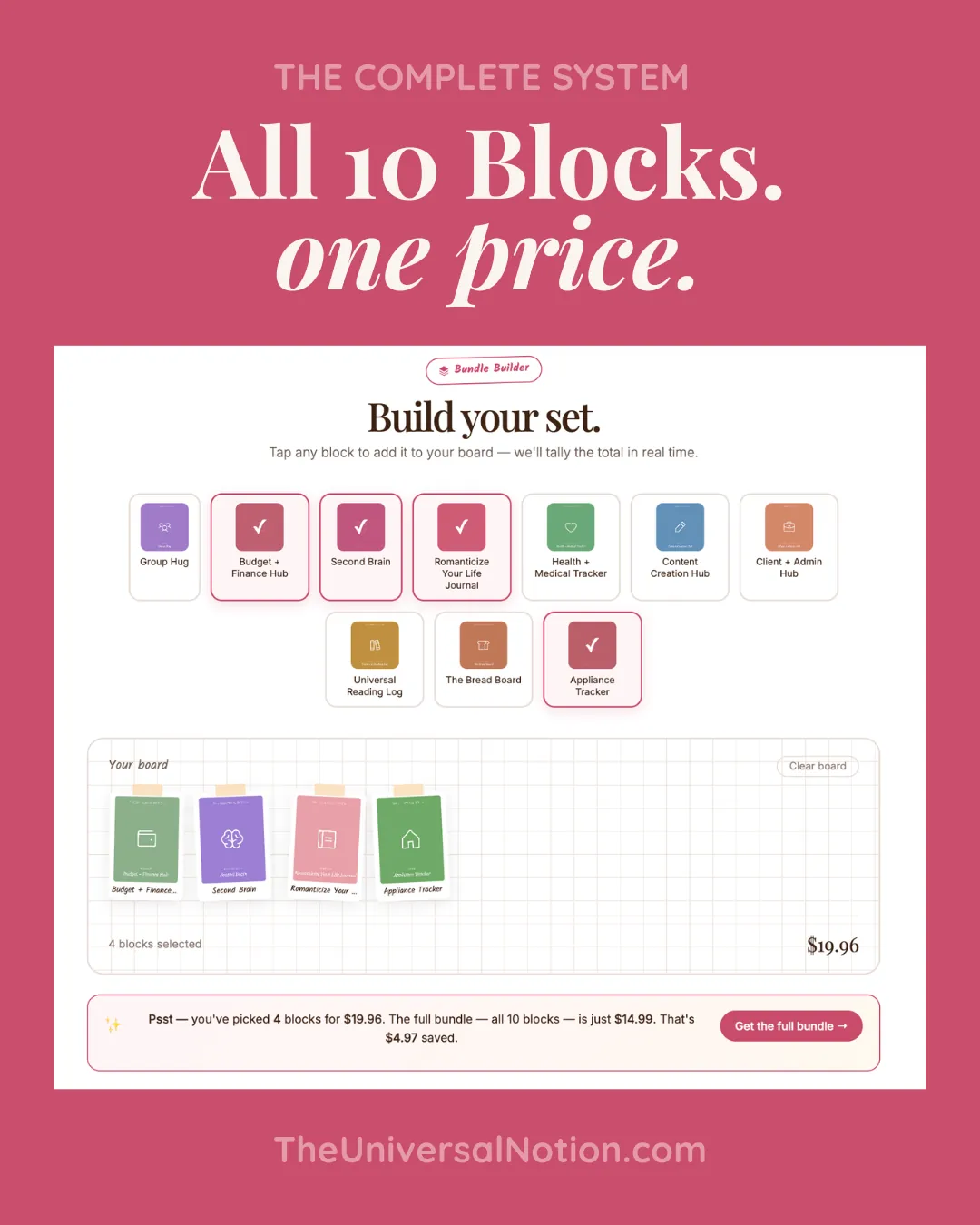
I designed 10 templates, which I call “blocks,” that work on their own or stack together, and I’m expanding the collection based on customer feedback. The lineup mixes classic, intuitive templates like the Second Brain and Budget + Finance Hub with custom ones that started as requests. The Bread Board began as a template for one person, but if one person needs it, who’s to say lots of people don’t?
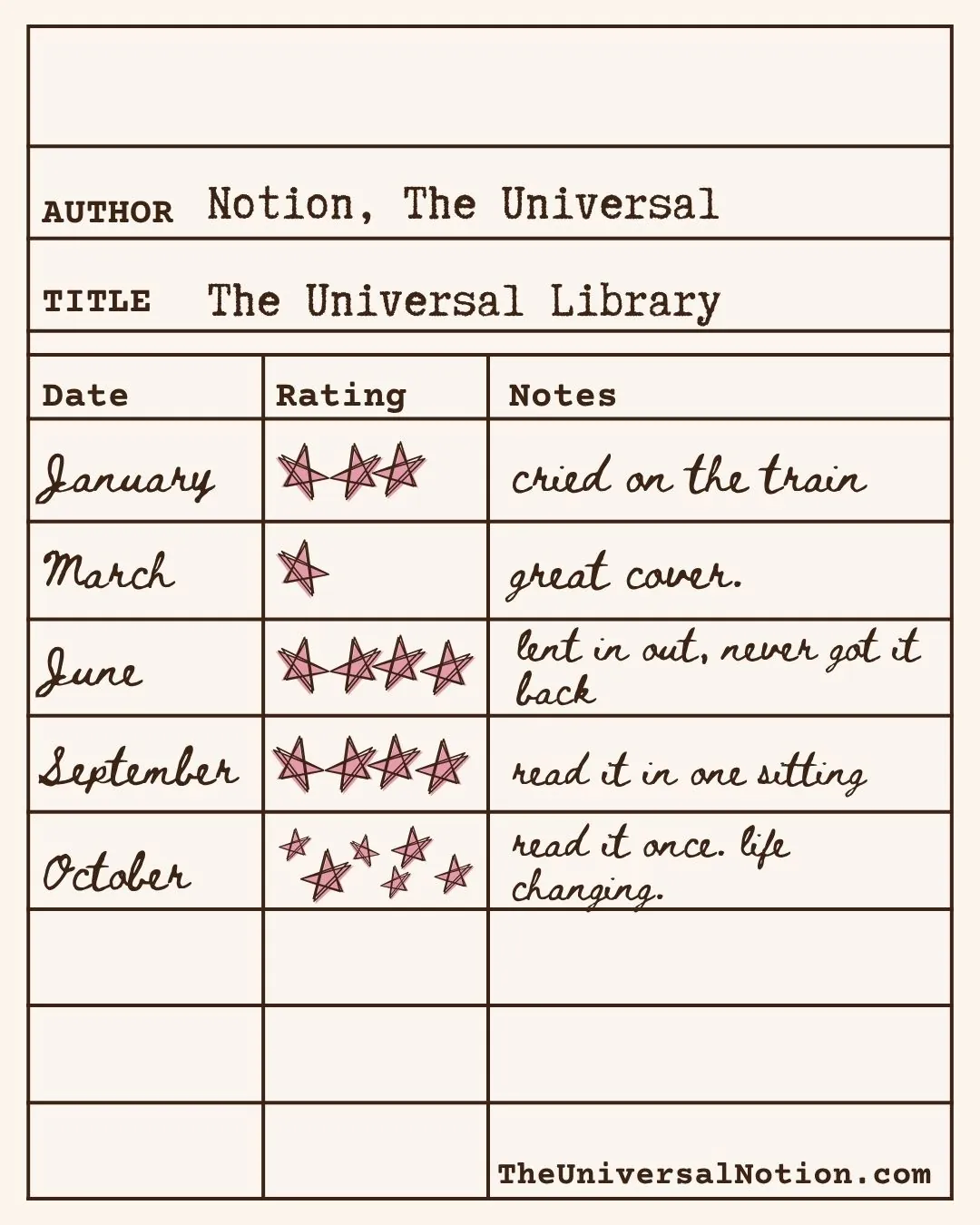
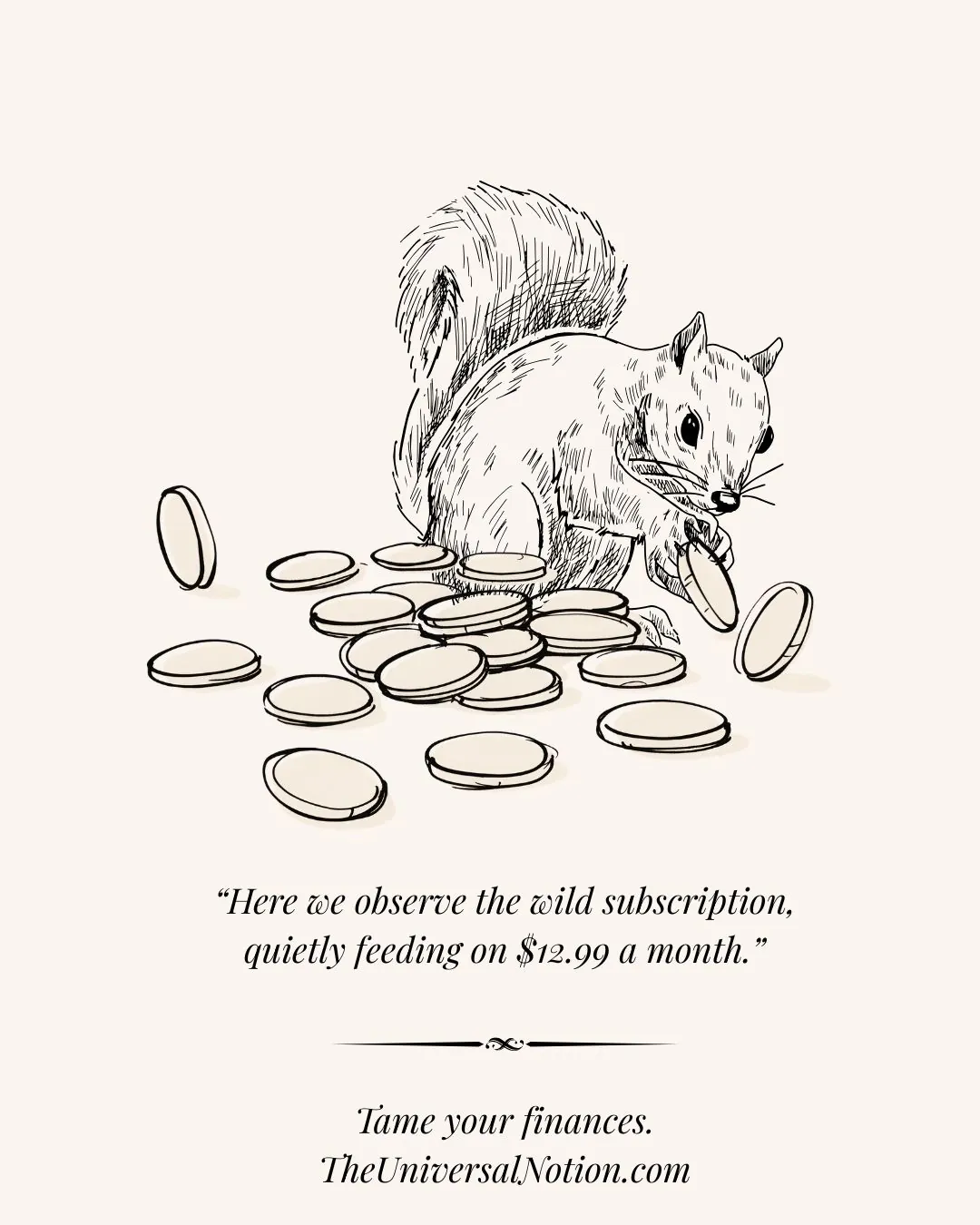
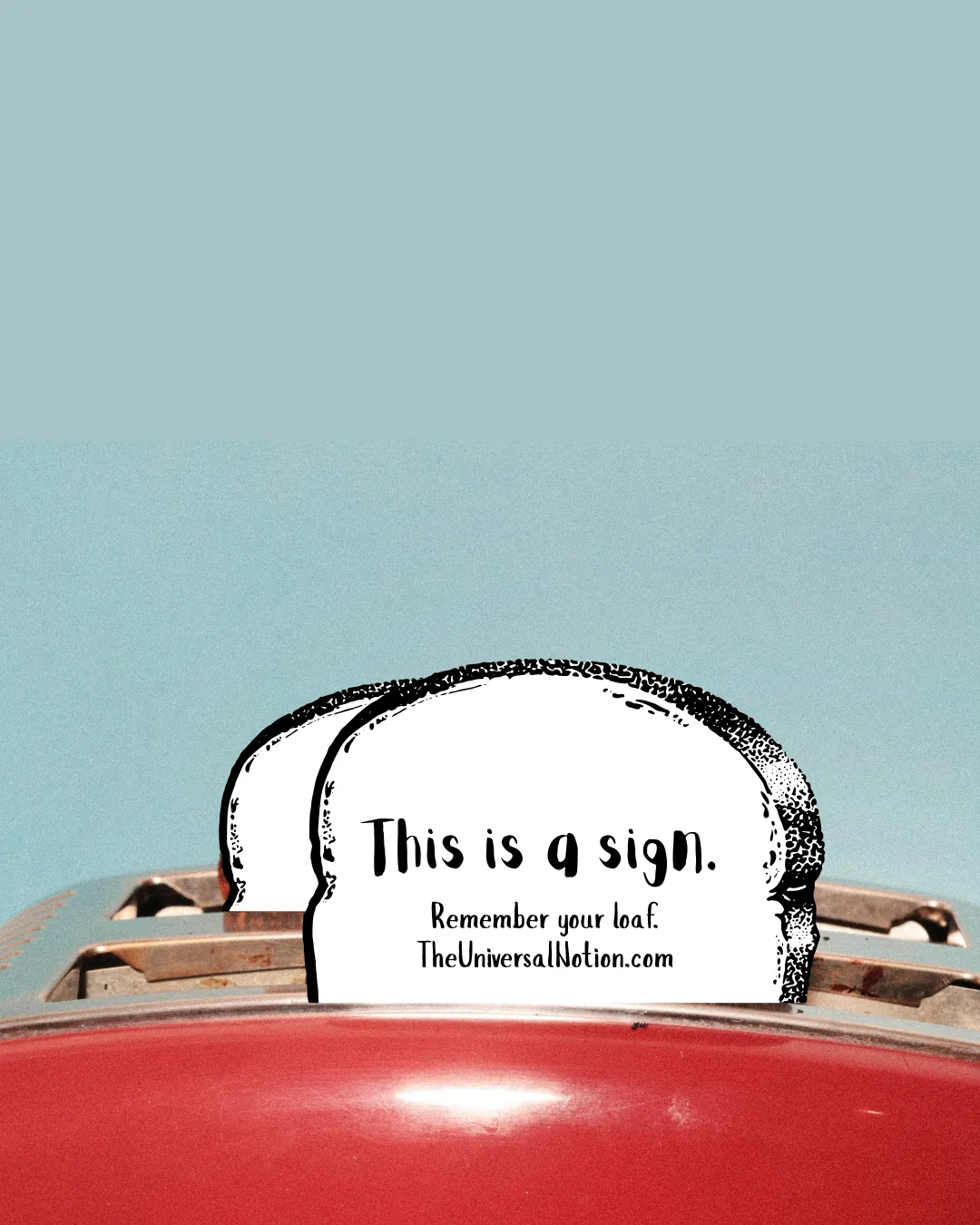
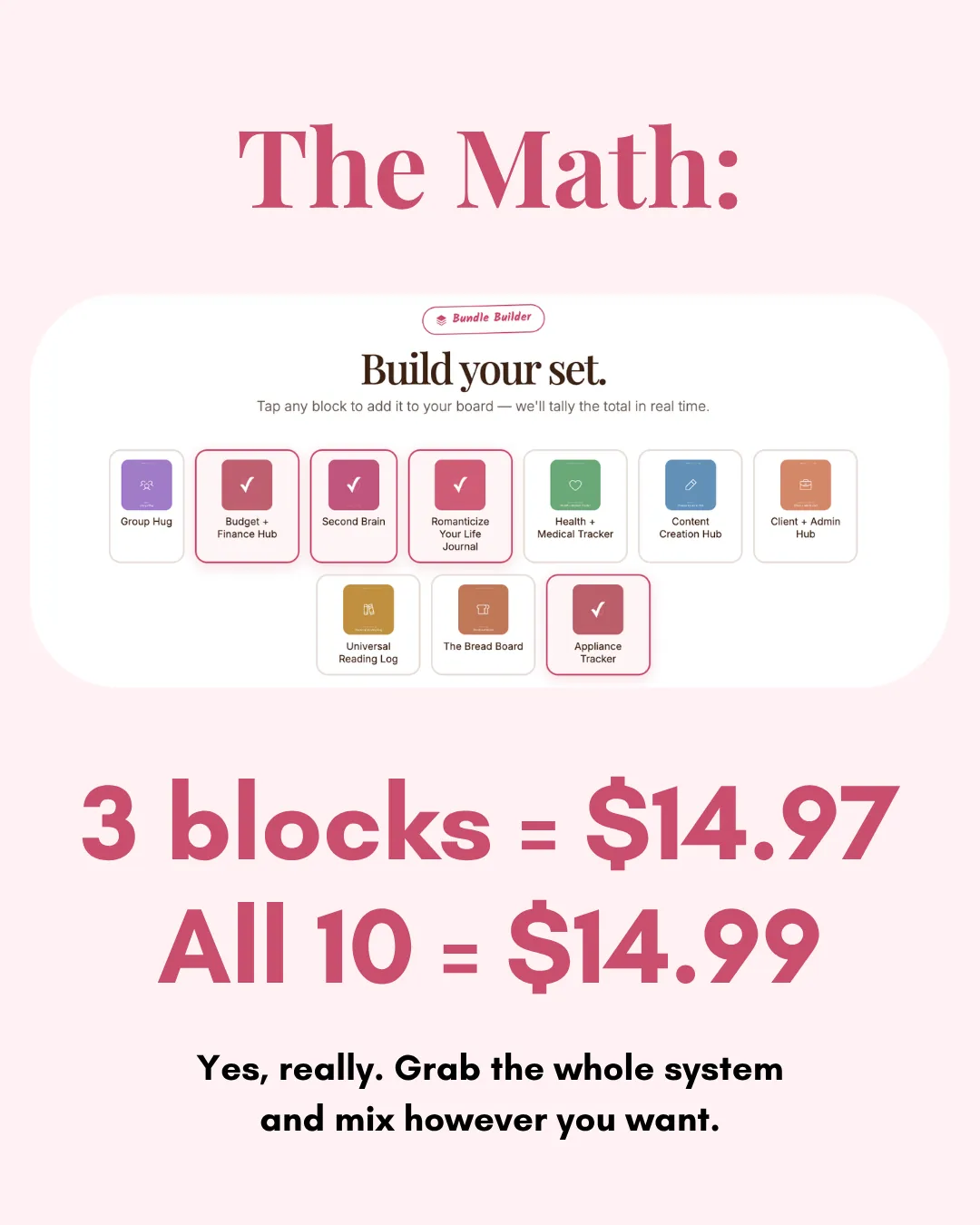
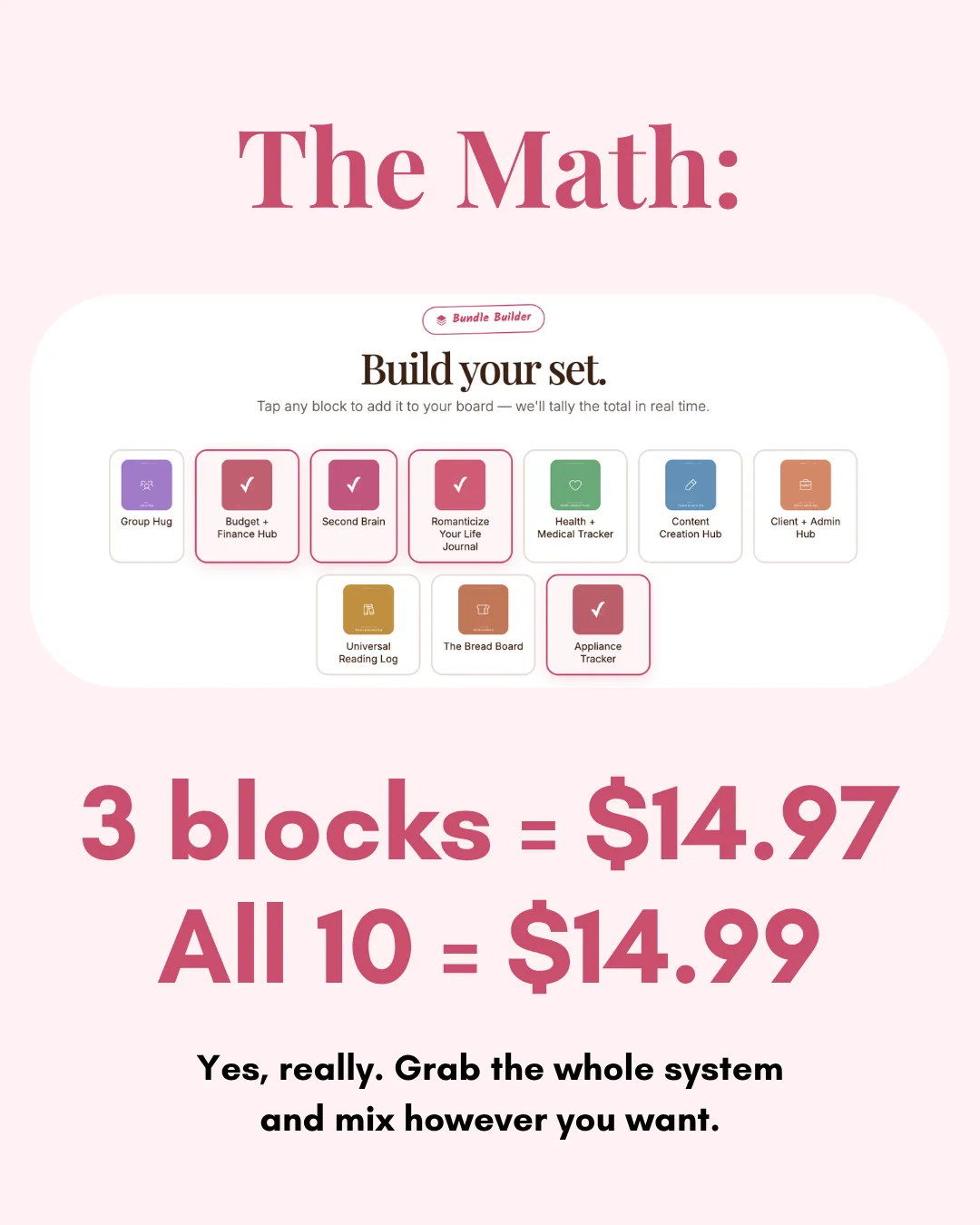
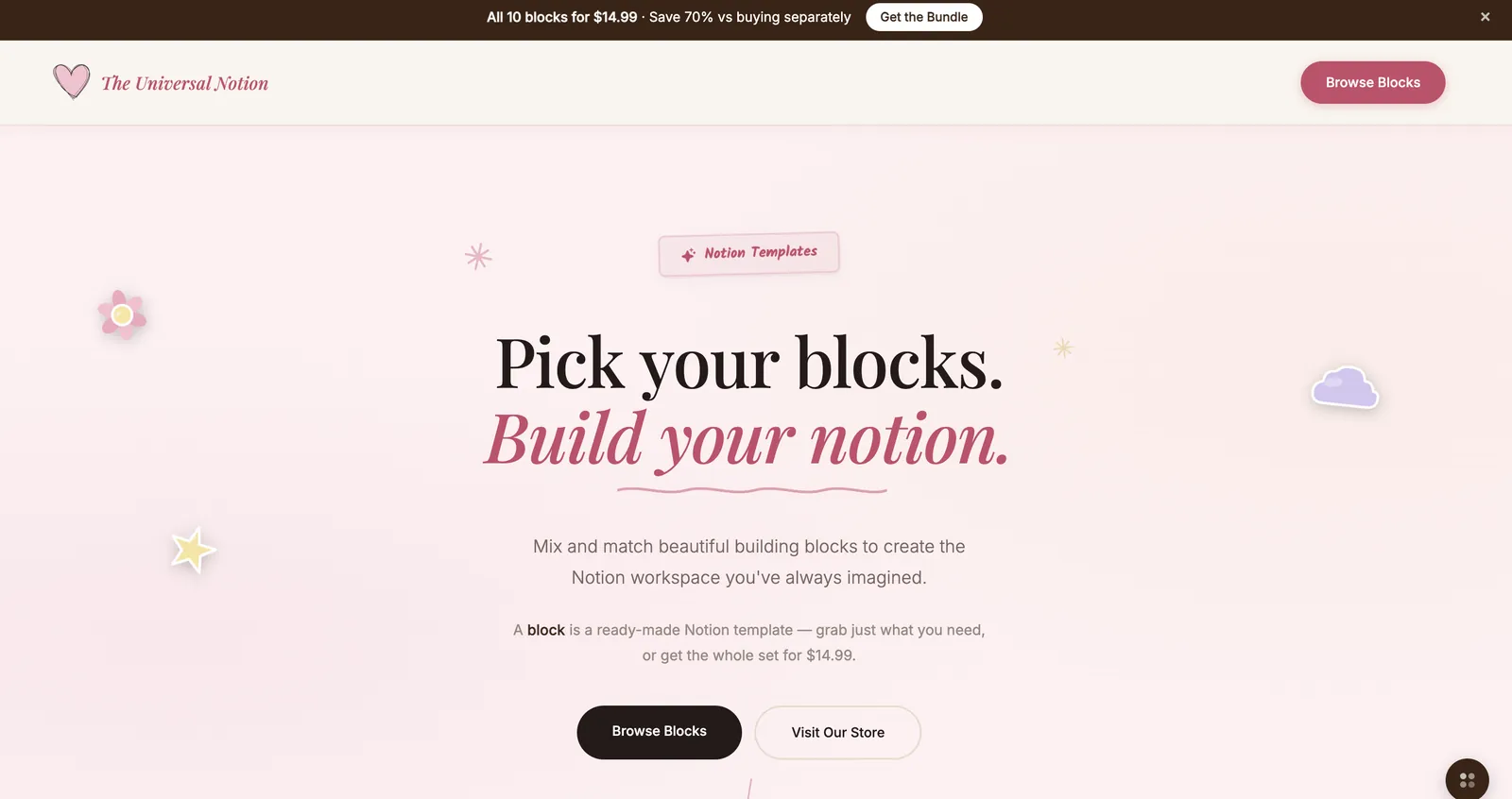
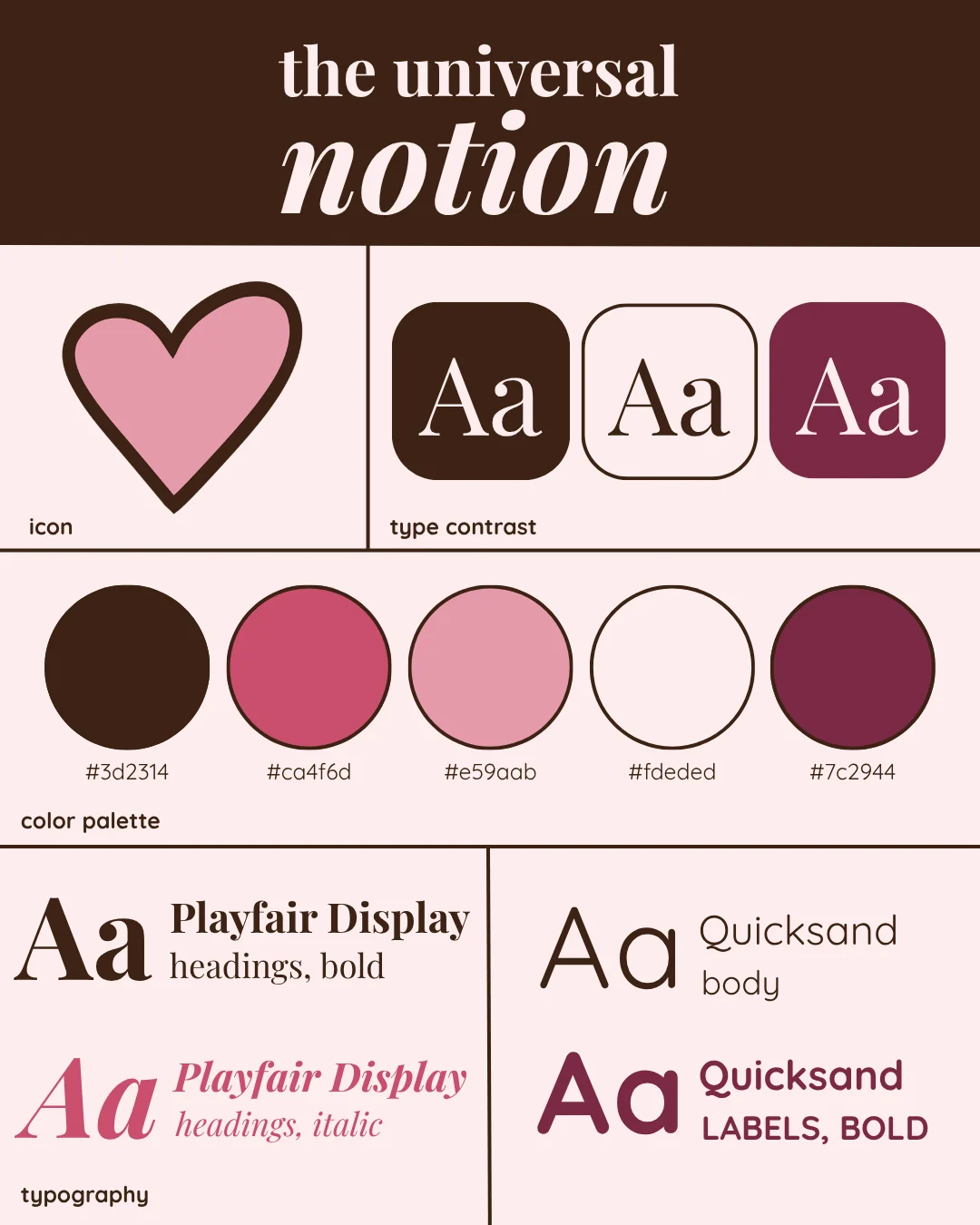
I built theuniversalnotion.com, including the “pick your blocks” builder, a quiz, and bundle pricing, using GitHub and Claude to help with the code. I gave the site a full revamp in September 2026. The branding is all mine, from the name and logo to the colors and voice, and I post daily on TikTok and Instagram. Right after the relaunch, I also tested paid ads on Meta and Pinterest; Meta performed better.
03 What I learned
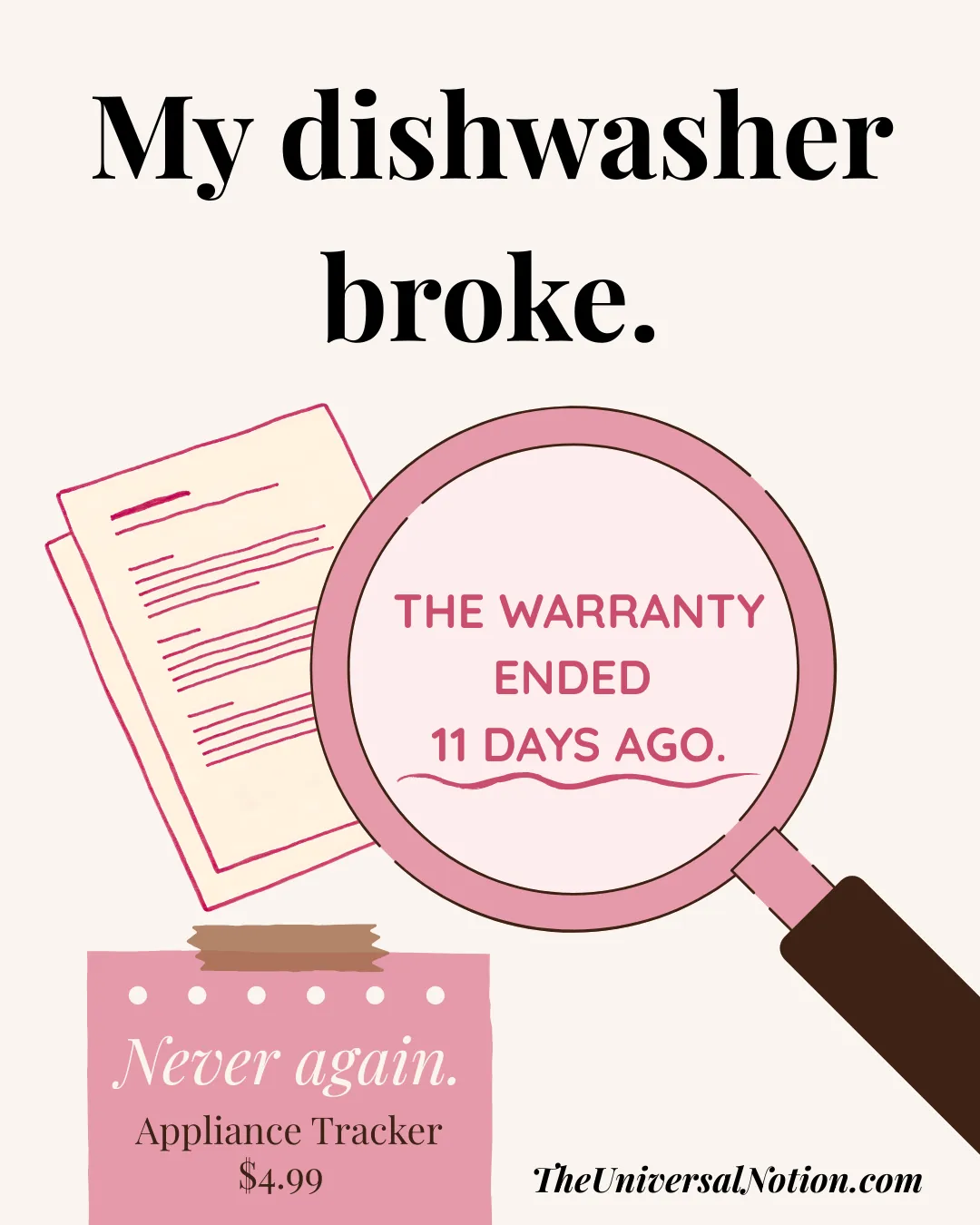
Pricing matters. For the first year, I kept every template at 99 cents. When I relaunched in July 2026, I raised prices to $4.99 and introduced a $14.99 bundle of all 10 blocks. Since then, my monthly revenue has nearly tripled and my monthly site traffic has quadrupled. I also learned that not all marketing is created equal: my TikToks reach 50 times more people than my Instagram posts. I found I can take bigger creative risks, too, with a playful, offbeat voice that speaks to a younger audience. And building the website taught me how to use AI in my design process without letting it get in the way of my own creativity.
04 Next time
Right now, I’m testing what works on each platform (photos versus videos, how often to post, and different hashtags) to close the gap between Instagram and TikTok. I’m also working on custom builds with small influencers on TikTok. If I were starting over, I’d launch at the higher price from day one: I thought low prices would attract customers, but they made the templates feel less premium, not more appealing.